Exotic Animals Pictures
Source Link:-google.com.pk
An exotic animal veterinarian is a veterinarian who has a special interest in the medical treatment of exotic animals. These veterinarians may obtain additional training and certification in areas related to exotic animal medicine.Exotic animals are often defined as any species of animal that is not considered to be a common pet (companion animal) or domesticated livestock species.It is sometimes referred to as the brush-tailed rat, and is also called the common degu, to distinguish it from the other members of the genus Octodon. Other members are also called degus, but they are distinguished by additional names. The name "degu" on its own, however, indicates either the genus Octodon or, more usually, O. degus. Degus are in the parvorder Caviomorpha of the infraorder Hystricognathi, along with the chinchilla and guinea pig. The word degu comes from the Mapudungun dewü (mouse, rat).Degus are highly social. They live in burrows, and, by digging communally, they are able to construct larger and more elaborate burrows than they could on their own.Degus digging together coordinate their activities, forming digging chains.Females living in the same group have been shown to spontaneously nest communally;they nurse one another's young. They spend a large amount of time on the surface, where they forage for food.When foraging, their ability to detect predators is increased in larger groups,and each animal needs to spend less time in vigilance. Degus exhibit a wide array of communication techniques. They have an elaborate vocal repertoire comprising up to 15 unique sounds,and the young need to be able to hear their mother's calls if the emotional systems in their brains are to develop properly.They use their urine to scent mark,and experiments have shown that they react to one another's marks,although in males the hormone testosterone may suppress their sense of smell somewhat.After initial interest into degus as research subjects, degus have become popular as pets, though until very recently they were seldom found in pet shops. Their advantages over traditional small pets are their diurnal habits, bubbly personalities, the haired tail (as compared to rats and mice) and their lifespan: they are reported to live up to 13 years under ideal circumstances (though a poor gene pool/genetic background often reduces a pet degu's lifespan significantly).[citation needed] The average lifespan of a degu in captivity is typically around 6–8 years of age. One disadvantage of the degu as a pet is their predisposition to chewing, due to their continually growing incisor and molar teeth.For this reason degus cannot be housed in plastic-bottomed cages typically found in pet stores. A metal cage with multiple levels made for rats and secured double latches works best. It is important to line the levels with grass mats or a soft fabric so that the degus do not get bumblefoot.[citation needed] Untamed degus, as with most small animals, can be prone to biting, but their intelligence makes them easy to tame. Regular non-predatory handling and food offerings help with this transition. It is important never to try to catch a degu by the tail because it will fall off easily and is painful to the creature. If this occurs it will not grow back. Degus often 'groom' their human owners, by a gentle nibbling action, and readily bond with any person spending time with them. Degus need regular sand baths to keep their coats healthy and free from grease. Chinchilla sand is ideal for this. They should have access to this regularly, preferably two or three times a week, half an hour at a time. Daily sandbathing can make their coats soiled.
Exotic Animals Pictures

Exotic Animals Pictures

Exotic Animals Pictures

Exotic Animals Pictures

Exotic Animals Pictures

Exotic Animals Pictures
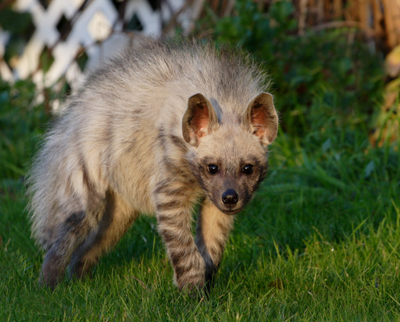
Exotic Animals Pictures

Exotic Animals Pictures

Exotic Animals Pictures

Exotic Animals Pictures

